In a Montessori Classroom
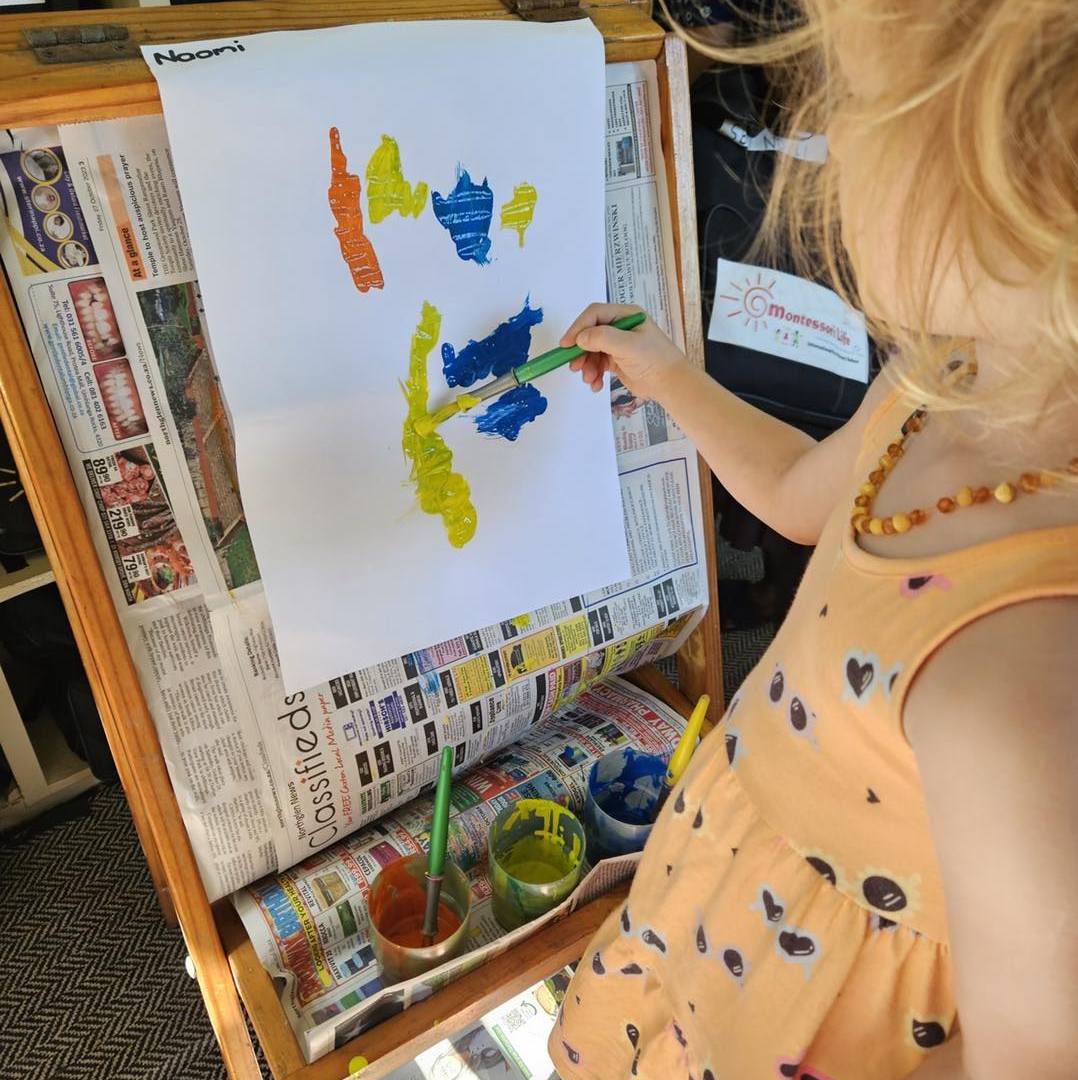
In a Montessori classroom, children are encouraged to express themselves freely through art, movement, and hands-on discovery. Activities like painting, drawing, and crafting are far more than just enjoyable pastimes—they play a vital role in a child’s development. Through these creative experiences, children build concentration, refine coordination, and grow in confidence as they explore and create.
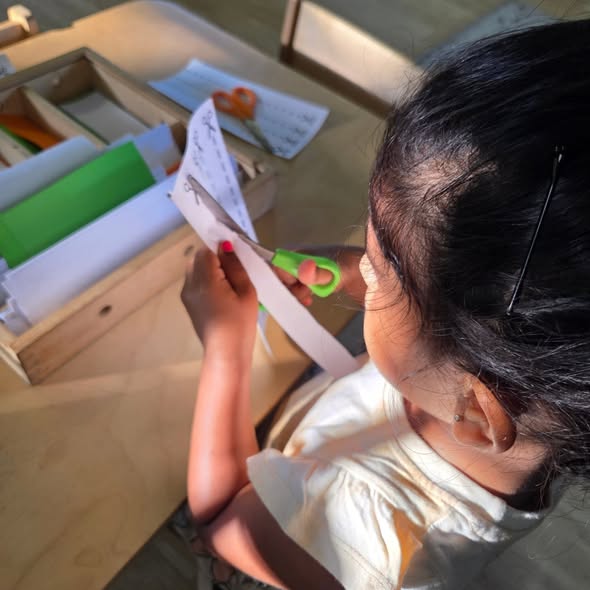
One particularly powerful activity for developing fine motor skills is cutting. Cutting is one of the best bilateral activities for young children because it requires both hands to work together in different ways. While one hand stabilises and turns the paper, the other hand opens and closes the scissors. This coordinated effort strengthens several essential skills, including hand dominance, coordination between both sides of the body, manual dexterity, wrist stability, and focus through visual-motor integration.
These foundational abilities are critical for later success. They support neat handwriting, foster independence, and help prepare children for the structured tasks of a classroom environment.
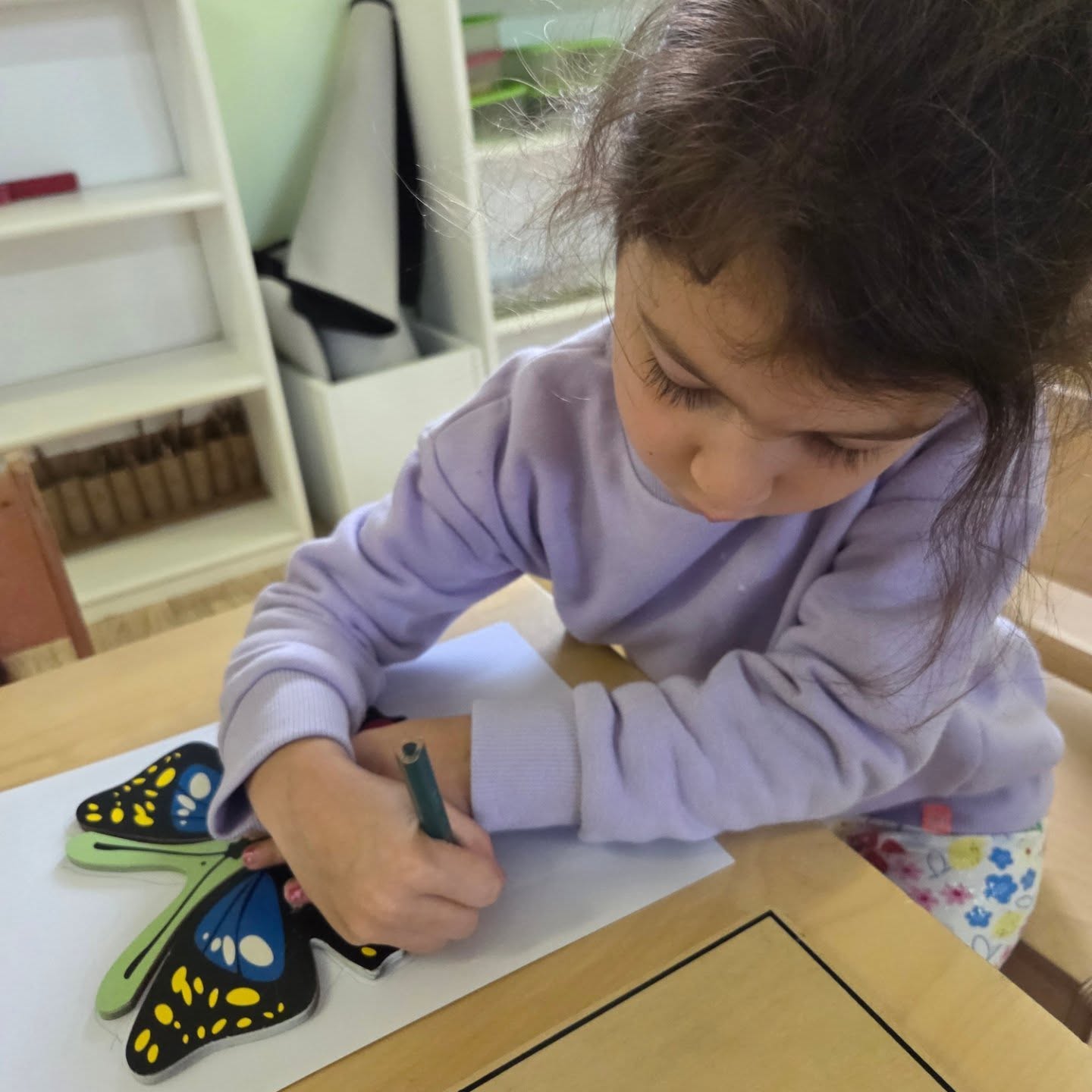
Another valuable extension of Montessori learning is tracing nature puzzles. This simple yet effective activity enhances fine motor control and hand-eye coordination while reinforcing the child’s understanding of shapes and forms. It provides a calm, purposeful way for children to deepen their learning and continue refining their skills.
Together, these activities highlight the beauty of the Montessori approach—where every task, no matter how simple it may seem, is thoughtfully designed to support the whole child’s development.